Zoe Klein · 25 October 2026
Navigating Audience Retention Challenges During Backend Service Transitions in Specialized Digital Platforms
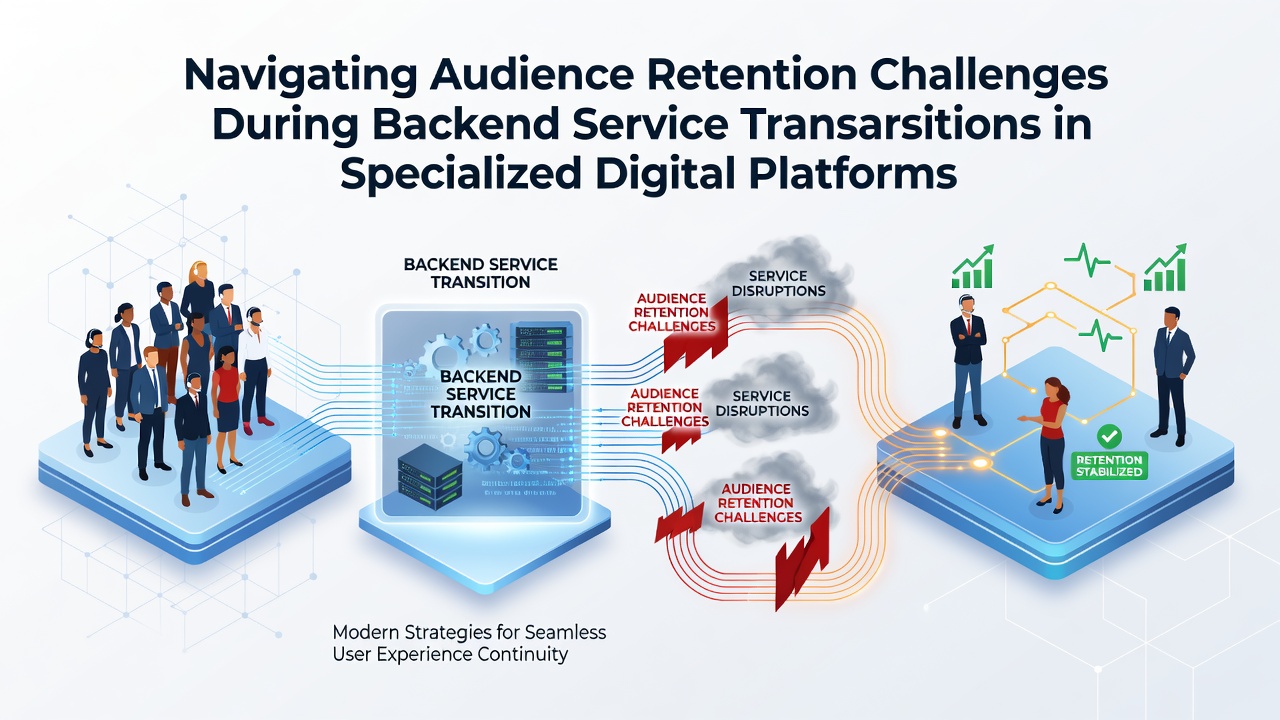
Specialized digital platforms undergo backend service transitions when infrastructure updates become necessary to support growing data loads, security requirements, and performance demands, and these shifts create measurable effects on audience retention according to multiple industry analyses. Research indicates that platforms handling niche content categories experience temporary dips in user activity during such periods because session continuity breaks and personalization algorithms require recalibration after the cutover.
Core Mechanics of Backend Transitions
Backend service transitions involve migrating databases, updating API endpoints, and reconfiguring load balancers while the front-end interface remains visible to users, yet observers note that even brief latency spikes or authentication token refreshes can interrupt ongoing sessions. Data from platform monitoring tools shows that specialized sites focused on professional communities or technical documentation see higher churn rates when cached content expires without immediate replacement from the new service layer. Those who have tracked these events across multiple deployments report that the process typically spans several weeks of parallel operation before full decommissioning of legacy components occurs.
Documented Retention Patterns
Studies conducted by research institutions reveal consistent patterns where audience segments exhibit reduced return visits in the days immediately following a transition, particularly when search indexing lags behind content updates. Figures from North American technology audits indicate that platforms lose between eight and twelve percent of monthly active users during the stabilization window unless proactive measures address notification timing and data integrity checks. In October 2026, several specialized platforms completed large-scale migrations, and subsequent telemetry confirmed that users who received advance alerts about scheduled maintenance maintained higher engagement levels than those who encountered unexpected interface changes.
Technical Factors Affecting User Continuity
Authentication service handoffs represent one primary point of friction because token validation routines must align between old and new systems without forcing repeated logins, while content delivery networks require synchronized cache invalidation to prevent stale data from appearing alongside fresh material. Experts have observed that API rate limiting adjustments during these windows can throttle third-party integrations that many specialized users rely upon for workflow automation. When database schemas evolve, query response times fluctuate until indexing routines complete, and this variability directly correlates with session abandonment rates tracked in server logs across European and Asian deployments alike.
Mitigation Approaches Observed in Practice
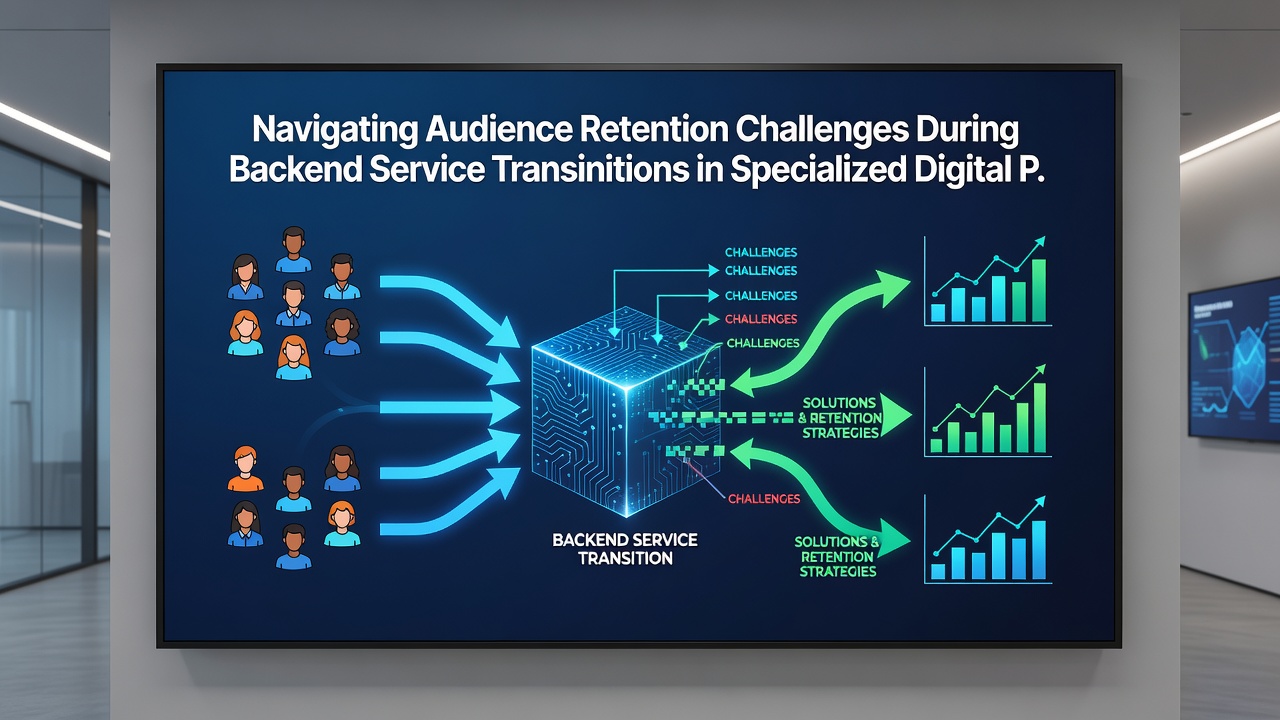
Platform operators implement phased rollouts that begin with internal testing cohorts before expanding to broader user bases, allowing teams to monitor error rates and address issues before they affect the majority of visitors. According to reports from the Canadian Centre for Digital Innovation, gradual traffic shifting combined with real-time dashboards enables rapid detection of retention anomalies tied to specific service components. Those managing these projects frequently deploy status pages that detail expected downtime windows and post-migration feature availability, which helps maintain trust levels even when temporary disruptions occur.
Communication strategies include targeted email sequences and in-app banners that explain upcoming changes in concrete terms rather than technical jargon, and data indicates these notifications reduce support ticket volume while preserving return visit frequency. Academic research from Australian universities has examined how A/B testing of notification copy affects user sentiment during transitions, showing measurable differences in retention when messages emphasize continuity of existing features over new capabilities.
Measurement Frameworks
Retention metrics tracked during transitions typically encompass daily active users, average session duration, and feature adoption rates segmented by user cohort, with comparisons drawn against baseline periods established weeks prior to the event. Observers note that cohort analysis proves especially useful because it isolates the impact on long-term users versus newer arrivals who may not yet have formed strong platform habits. Government technology assessments in multiple regions emphasize the value of establishing clear key performance indicators before migration begins so that deviations trigger predefined response protocols.
Conclusion
Backend service transitions in specialized digital platforms require coordinated technical execution and user communication protocols to limit audience attrition, with evidence from deployments through October 2026 demonstrating that structured preparation correlates with faster recovery of engagement metrics. Continued monitoring after full cutover allows teams to refine remaining optimizations and restore pre-transition performance baselines across diverse platform types.