David Vogel · 11 October 2026
Innovative Approaches to Content Structuring for Enhanced Discoverability in Evolving Tech Environments
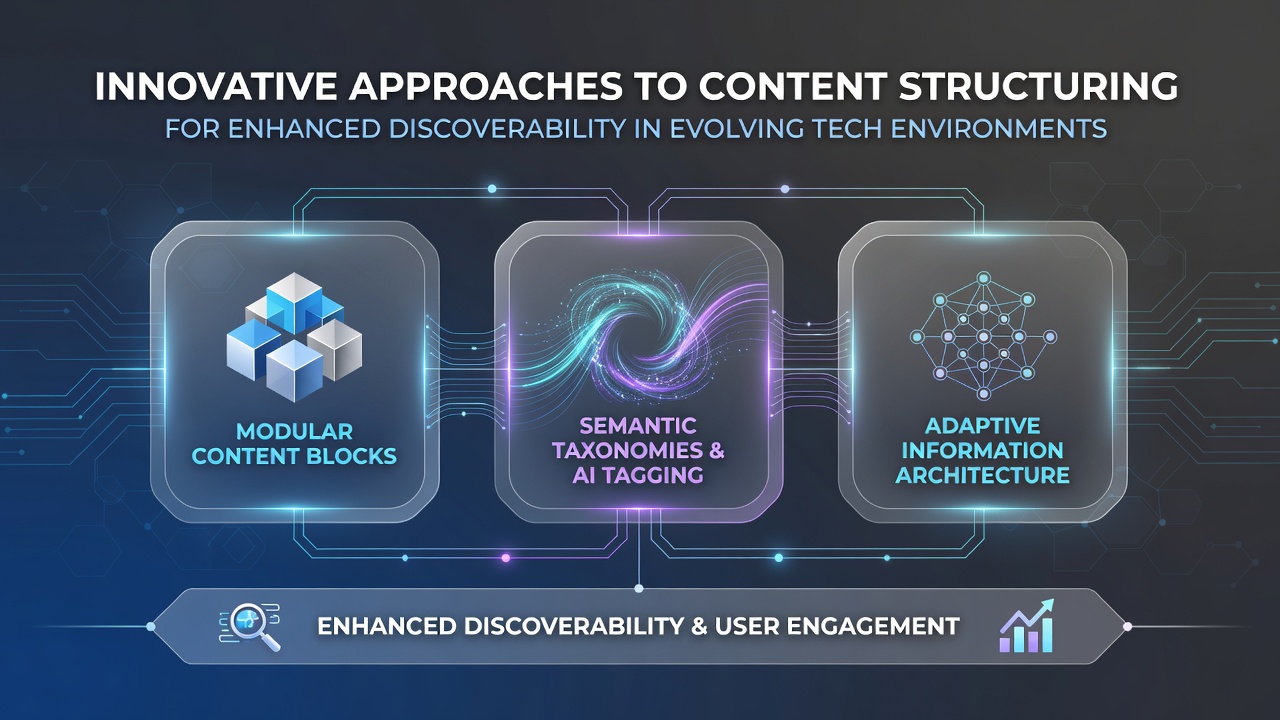
Content structuring has shifted toward methods that prioritize machine readability alongside human engagement, and researchers note several techniques gaining traction in technology sectors as of late 2025. These approaches rely on standardized markup, dynamic categorization systems, and interconnected data models that adapt to algorithm updates and platform changes. Data from industry analyses indicate that sites employing advanced structuring see measurable gains in search visibility when algorithms prioritize context over simple keyword matches.
Semantic Layering and Structured Data Implementation
Developers apply schema markup through JSON-LD formats to embed meaning directly into web pages, which allows search engines and AI tools to interpret relationships between topics without additional parsing steps. According to documentation from the World Wide Web Consortium, entities tagged with properties such as author, datePublished, and about create clearer signals for indexing systems. Studies conducted by research teams at technical universities show that pages with complete schema implementations achieve higher click-through rates in rich result displays, especially when content covers rapidly changing subjects like software updates or hardware releases.
Teams integrate these layers during initial authoring rather than retrofitting them afterward, and this practice reduces errors while maintaining consistency across large content libraries. Observers note that organizations handling frequent releases benefit because the structured elements update automatically when source data changes through connected databases.
AI-Driven Categorization and Knowledge Graphs
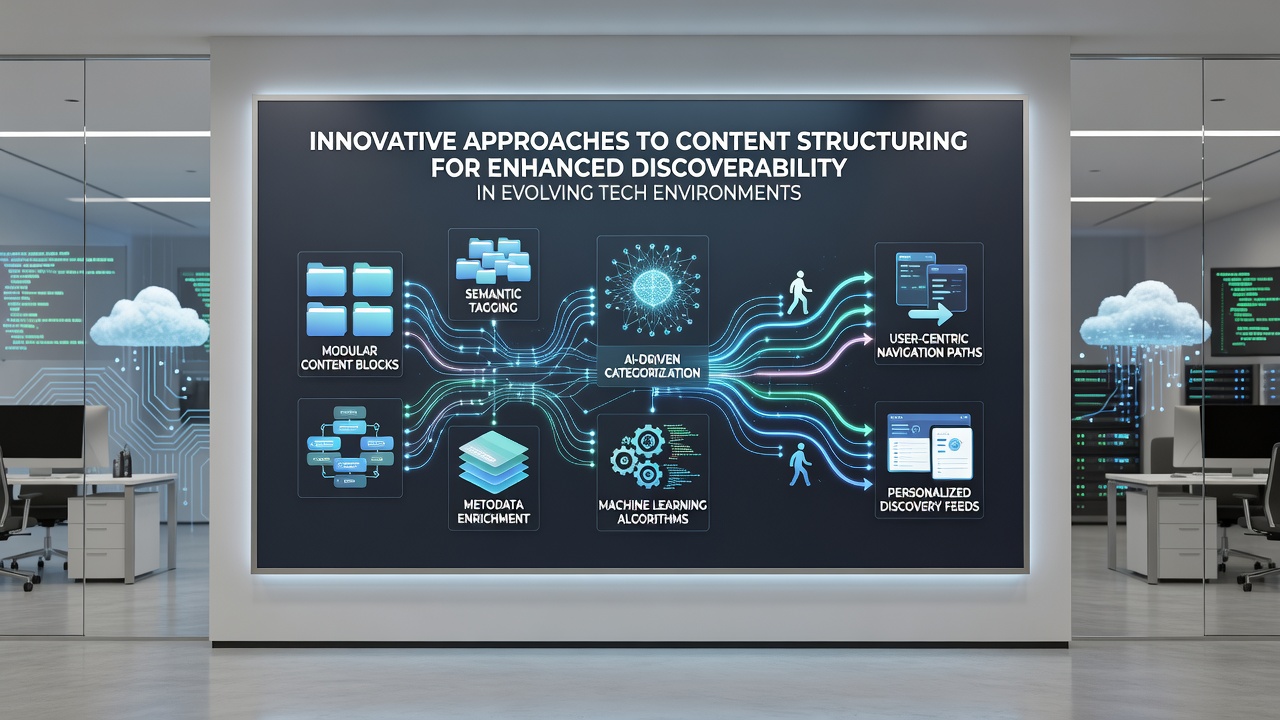
Machine learning models now assist in building knowledge graphs that connect related articles, datasets, and multimedia assets into navigable networks. These graphs evolve as new content enters the system, and algorithms identify emerging connections based on usage patterns and topic similarity scores. Research published through academic channels demonstrates that organizations using graph-based navigation experience improved retention because users locate supplementary material without leaving the primary domain.
In October 2026, reports from European digital infrastructure assessments highlighted increased adoption of such models among technology firms managing multilingual archives. The systems handle variations in terminology across languages by mapping synonyms and contextual references into unified nodes, which supports discoverability for global audiences accessing the same underlying information.
Modular Content Blocks and Component Architectures
Content creators assemble pages from reusable blocks tagged with metadata that describes purpose, audience level, and update frequency. This modular method enables platforms to reassemble information for different interfaces, including voice assistants and embedded widgets, without manual reformatting. Figures from enterprise content management surveys reveal that companies adopting component systems reduce duplication rates by significant margins while preserving version control across distributed teams.
Systems track usage analytics at the block level, and this granularity informs future assembly decisions. When certain blocks show higher engagement in specific device contexts, automated rules elevate them in recommendations, which strengthens overall site performance in competitive search landscapes.
Adaptation to Emerging Access Methods
Voice search and conversational agents require content structured around question-and-answer pairs rather than traditional paragraphs, and developers prepare dedicated sections that mirror common query patterns. Data collected by government technology agencies in Canada indicate rising query volumes through these channels, prompting organizations to prioritize concise, self-contained answers that still link back to deeper resources.
Progressive enhancement techniques ensure that core structured content remains accessible even when newer rendering engines process the material differently. This forward compatibility reduces the need for complete rebuilds when platforms introduce updates to their indexing or recommendation engines.
Conclusion
Organizations continue refining these structuring methods as technology environments shift, and evidence from multiple sectors shows consistent improvements in how content surfaces across search and discovery tools. Ongoing monitoring of algorithm behavior combined with regular schema audits maintains alignment with current standards, while knowledge graph maintenance supports long-term relevance in expanding digital ecosystems.