Tina Schröder · 22 November 2026
How Niche Platforms Maintain Technical Resource Integrity When Rolling Out Multi-Stage Backend Updates
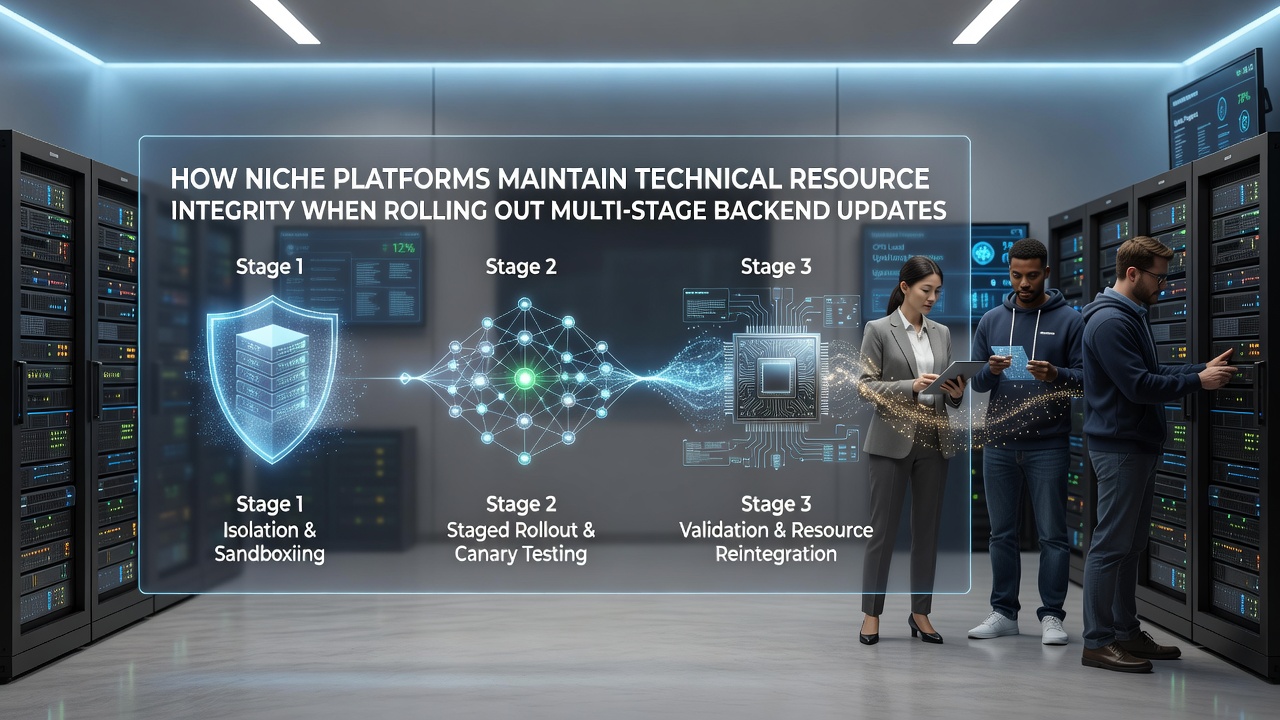
Specialized digital platforms handle multi-stage backend updates through structured processes that preserve data consistency, API stability, and resource accessibility across distributed systems, and these methods rely on sequential validation layers rather than single-point deployments. Observers note that platforms in sectors like academic repositories and specialized content networks apply phased rollouts where each stage undergoes automated integrity checks before advancing, which reduces the risk of widespread resource corruption during transitions.
Planning and Version Control Foundations
Teams begin by establishing immutable version controls for all technical resources, including database schemas, API endpoints, and cached content layers, while integrating these controls with continuous integration pipelines that track every change against predefined integrity metrics. Data from industry reports shows that organizations using distributed version systems like Git with custom hooks achieve higher consistency rates during updates, and this approach allows engineers to isolate modifications without affecting live resource pools. In November 2026 several niche platforms adopted enhanced tagging protocols that automatically flag resource dependencies, which helped prevent conflicts when backend services shifted to new container orchestration frameworks.
Staged Testing Environments
Multi-stage updates typically progress through isolated environments that mirror production conditions, starting with unit-level validation and advancing to integration tests that simulate concurrent user loads on technical resources. Researchers have documented how these environments incorporate checksum verifications at each boundary to confirm that files, metadata, and configuration files remain unaltered except for intended modifications, and platforms often run parallel shadow deployments to compare outputs without exposing users to incomplete states. What's interesting is that such setups enable teams to identify discrepancies in resource retrieval speeds or data formatting before full activation occurs.
Deployment Techniques and Monitoring
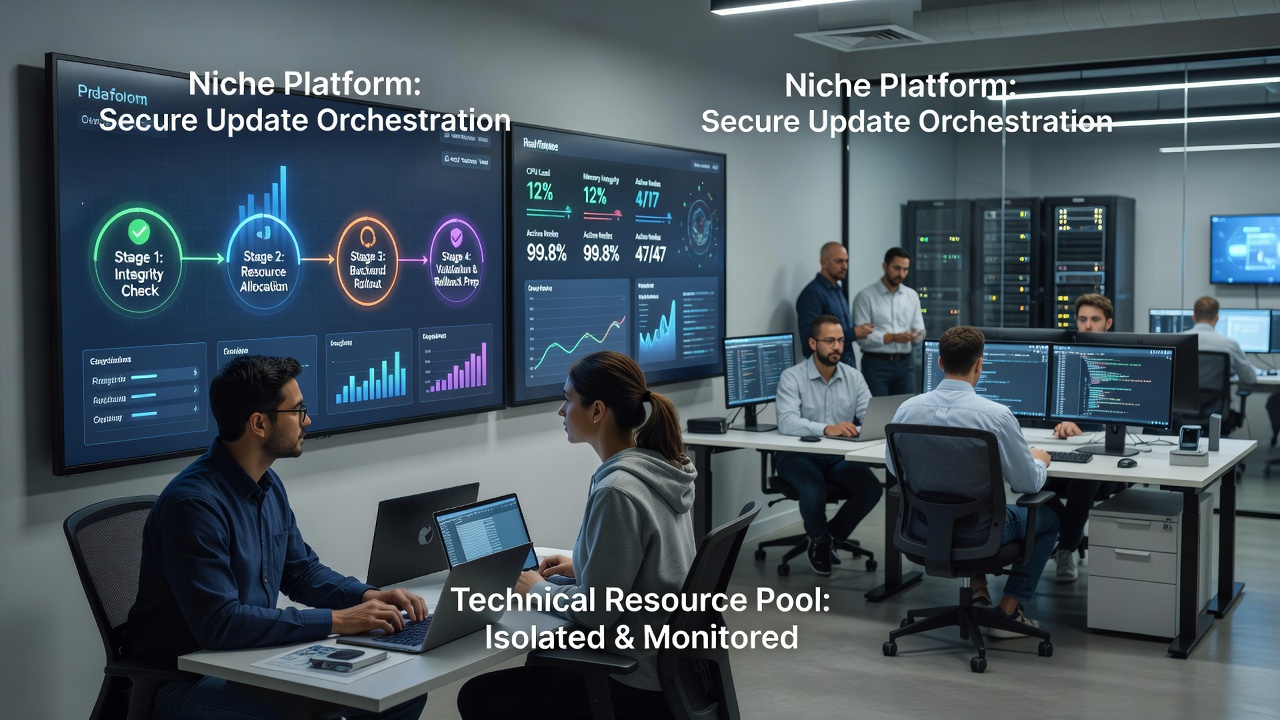
Canary releases form a core component where updates reach small user segments first, allowing platforms to monitor resource integrity through metrics like query response accuracy and storage synchronization rates while the majority of traffic continues on stable versions. According to guidelines from the National Institute of Standards and Technology, these incremental approaches support rollback triggers based on threshold violations, and many niche operators combine them with feature flags that toggle specific backend functions without full redeployment. Observers note that real-time dashboards track resource checksums and access logs across stages, which provides immediate alerts when anomalies appear in data pipelines or content delivery networks.
Coordination Across Distributed Teams
Platforms maintain resource accessibility by synchronizing update schedules with distributed engineering groups through shared dashboards that display stage progress and dependency status, and this coordination prevents simultaneous changes that could compromise shared databases or authentication services. Studies from the European Union Agency for Cybersecurity highlight how documented escalation paths help teams address integrity issues during off-peak windows, and platforms in regions like Australia and Canada have reported using automated reconciliation scripts to restore consistency after partial failures. But here's the thing: these scripts operate only after human review confirms the scope of any detected drift in technical assets.
Post-Update Validation and Resource Continuity
After each stage completes, platforms execute comprehensive audits that compare pre-update and post-update states of critical resources, including index files, media metadata, and external API contracts, while generating reports that feed into long-term maintenance logs. Evidence from academic research published by institutions such as the University of Toronto's data systems lab indicates that platforms incorporating machine-assisted anomaly detection maintain higher uptime for niche content repositories during transitions. Those who've studied these processes often discover that combining automated checks with periodic manual sampling catches subtle issues like encoding mismatches that automated tools might overlook initially.
Conclusion
Niche platforms sustain technical resource integrity through layered planning, controlled staging, and vigilant monitoring that together form a reliable framework for multi-stage backend updates, and these practices continue evolving with advances in orchestration tools and verification standards. Data indicates that consistent application of these methods supports uninterrupted access to specialized resources even as backend architectures shift over time.